Small dog breeds need gear built for their frame, not scaled-down versions of large-dog products. Best overall for daily walks: a no-pull harness sized for chests under 25 lbs. Best for multi-dog households: a coupler-style double leash. Best budget-friendly pick: a soft-sided carrier tote that doubles as a travel bed.
- The best dog accessories for small dog breeds in 2026 start with a properly fitted no-pull harness, not a collar-only setup.
- A coupler-style double leash like the Auto Double Dog Leash keeps two small dogs from tangling on the same walk.
- Coats matter once temperatures drop below 45°F for short-haired toy and small breeds.
- Soft-sided carriers flex better than hard-shell cases for dogs under 25 lbs on daily errands.
Why this matters
A harness sized for a 60 lb Labrador does not fit a 12 lb Shih Tzu correctly, and a leash rated for a Great Dane will feel stiff and heavy in a Chihuahua's mouth-level grip zone. Small breeds under 25 lbs have proportionally smaller rib cages, thinner skin around the neck, and less body fat to buffer cold, so gear that's merely "downsized" instead of purpose-built creates real discomfort. Vantora's trending finds page rotates in small-format pet gear alongside its other categories, and knowing what to look for before you buy saves a return shipment.
This guide ranks accessory categories by use case, not by hype, so you can pick the one that matches how you actually walk, travel, and groom your dog in 2026.
What makes the best dog accessories for small dog breeds
- Correct sizing for chests and necks under 25 lbs — most standard gear starts at medium, which is already too big
- Lightweight hardware — heavy clips and buckles drag on a 10-15 lb frame
- Tangle resistance for multi-dog walking setups
- Weather adaptability below 45°F, since small breeds chill faster than large ones
- Easy-clean materials for dogs that get muddy at nose height
- Everyday practicality over novelty — an accessory you'll actually use daily beats one you'll use twice
At a glance: ranked accessory categories
| Accessory type | Best for | Standout feature | Key limitation |
|---|---|---|---|
| Multi-dog leash system | Two small dogs walked together | Tangle-resistant dual line | Not built for solo walks |
| No-pull harness | Daily walks, overall pick | Even chest-strap distribution | Needs a proper fit check |
| Weatherproof coat/sweater | Cold-climate owners | Traps body heat below 45°F | Bulkier breeds may resist wearing it |
| Soft-sided carrier tote | Travel and vet visits | Flexes to fit under 25 lbs comfortably | Not rated for airline cargo |
| Deshedding brush | Long-haired small breeds | Reaches undercoat in 2-3 weekly sessions | Slower than a quick daily wipe-down |
| GPS/ID tag clip | Safety-conscious owners | Attaches to any existing collar | Adds a small extra weight point |
1. Multi-dog leash system: best dog accessory for small breeds walked together
A coupler-style double leash connects two dogs to a single handle instead of forcing you to juggle two separate lines. For small breeds specifically, this matters because two tangled leashes at ankle height turn a walk into a trip hazard fast.
Vantora carries the Auto Double Dog Leash built for exactly this scenario — two smaller dogs, one line, less crossing and knotting mid-walk.
Auto Double Dog Leash pros:
- Keeps two dogs separated enough to avoid constant tangling
- One-handed control instead of two leashes fighting each other
- Suited to smaller breeds that naturally walk close together
Auto Double Dog Leash cons:
- Overkill if you only own one dog
- Two strong-pulling dogs can still out-muscle a single handle
Best for: households walking two small dogs at once. Verdict: Buy if that's your daily routine.
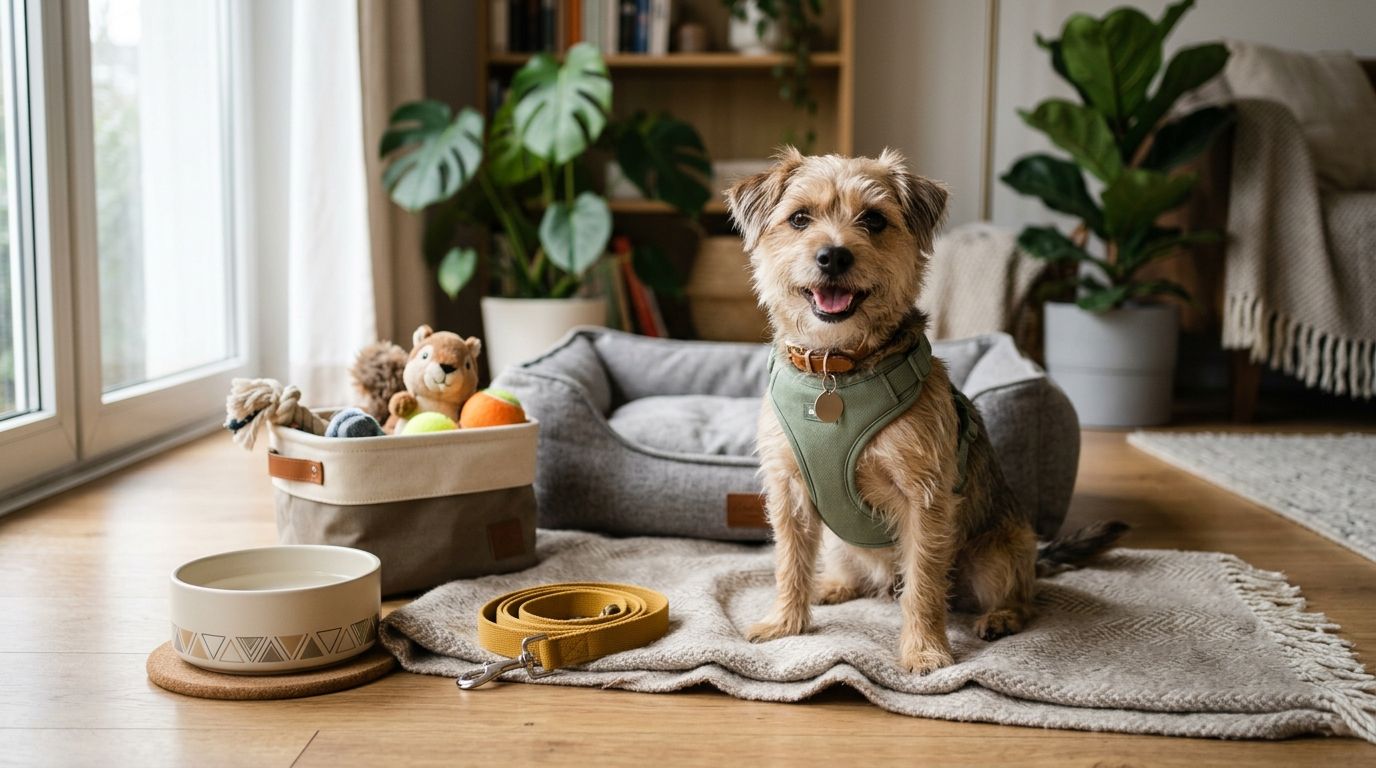
2. No-pull harness: best overall dog accessory for small breeds
A no-pull harness distributes pressure across the chest instead of the throat, which matters more for small breeds prone to tracheal sensitivity. Look for adjustable straps that fit chests in the 10-25 lb range with room for a two-finger check underneath.
No-pull harness pros:
- Reduces throat pressure versus a collar-only setup
- Adjustable fit works across most small breed body types
- Front-clip versions discourage pulling without punishing the dog
No-pull harness cons:
- Wrong sizing bunches fur and causes chafing
- Takes a few walks for some dogs to get used to the feel
Best for: daily walks and the default pick for most small dog owners. Verdict: Buy.
3. Weatherproof coat or sweater: best for cold-climate small dogs
Once outdoor temperatures drop below 45°F, short-haired small breeds — Chihuahuas, Italian Greyhounds, Min Pins — lose body heat fast because they carry less insulating fat than double-coated breeds. A fitted coat with a belly strap keeps core temperature stable on walks longer than 10-15 minutes.
Coat/sweater pros:
- Extends comfortable walk time in cold months
- Belly-strap designs stay put better than pullover styles
- Machine-washable materials handle mud and slush
Coat/sweater cons:
- Some dogs resist wearing anything at first
- Doesn't replace a proper harness underneath for leash control
Best for: owners in climates that regularly dip below 45°F. Verdict: Buy for cold-season regions, Skip in mild year-round climates.
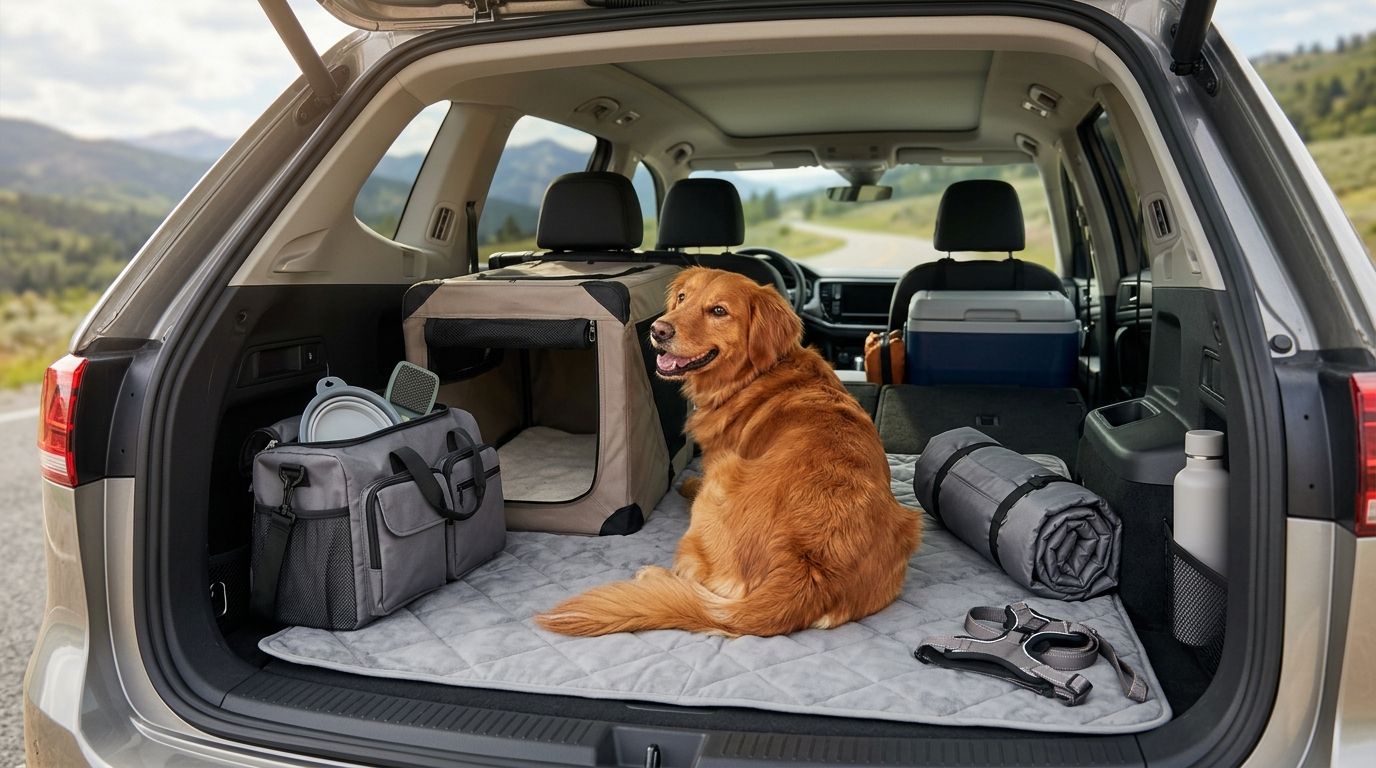
4. Soft-sided carrier tote: best for travel and vet visits
Hard-shell carriers work for shipping but feel rigid for everyday errands. A soft-sided tote flexes to the dog's body, fits under most vet office chairs, and is easier to sling over a shoulder for dogs under 25 lbs.
Carrier tote pros:
- Flexible shape fits car seats, strollers, and under airline seats for some carriers
- Lighter to carry than hard-shell cases
- Doubles as a familiar resting spot at home
Carrier tote cons:
- Offers less structural protection than a hard case
- Not appropriate for airline cargo hold travel
Best for: vet trips, quick errands, and dogs that get anxious in open carriers. Verdict: Buy for casual travel, Hold if you need cargo-rated transport.
5. Deshedding brush: best for long-haired small breeds
Pomeranians, Shih Tzus, and long-haired Chihuahuas hold onto loose undercoat that a standard bristle brush skips over. A slicker or deshedding tool used 2-3 times weekly cuts down on shedding around the house and prevents early matting.
Deshedding brush pros:
- Reaches undercoat that surface brushing misses
- Reduces matting risk in longer-coated breeds
- Short sessions (5-10 minutes) are enough at 2-3x weekly
Deshedding brush cons:
- Overuse can irritate sensitive skin
- Doesn't help short-haired breeds much
Best for: long-haired small breeds shedding year-round. Verdict: Buy if your dog has an undercoat, Skip for smooth-coated breeds.
6. GPS or ID tag clip: best for safety-conscious owners
Small dogs slip out of loose collars more easily than large breeds, so a secondary ID point attached to a harness — not just the collar — adds a backup if the primary tag is lost.
ID tag clip pros:
- Backup identification if the collar tag falls off
- Clips onto existing harness hardware, no new gear needed
- Lightweight enough not to bother small frames
ID tag clip cons:
- GPS versions need regular charging
- Adds one more point of contact to check during gear inspections
Best for: owners who prioritize a backup safety layer. Verdict: Buy as a low-cost add-on to existing gear.
How we ranked these
Each category was scored against the same six criteria from the section above: fit for chests and necks under 25 lbs, hardware weight, tangle resistance, weather adaptability below 45°F, ease of cleaning, and everyday practicality. Items that solve a narrow problem well — like the multi-dog leash — rank by use case rather than against an all-purpose harness, because they're not competing for the same job.
Which dog accessory should you choose?
If you're buying one thing in 2026, make it the no-pull harness — it's the piece every small dog owner needs regardless of coat length, climate, or how many dogs you own. Layer in a coat once temperatures drop below 45°F, and add the Auto Double Dog Leash only if you're walking two dogs at once. Skip the carrier and brush unless travel or a long coat make them relevant to your routine.
FAQ
What are the best dog accessories for small dog breeds in 2026?
A properly fitted no-pull harness is the top pick for most small dog owners in 2026, followed by a weatherproof coat for climates that drop below 45°F. Multi-dog leashes, soft-sided carriers, and deshedding brushes fill specific use cases beyond the daily essentials.
Is a harness better than a collar for small dogs?
Yes, a harness distributes pressure across the chest instead of the throat, which matters more for small breeds with sensitive tracheas. Collars work fine for holding an ID tag but shouldn't be the primary point of leash control.
How do I know if my dog needs a coat in winter?
Short-haired small breeds typically need a coat once temperatures drop below 45°F, since they carry less insulating body fat than double-coated breeds. Watch for shivering or reluctance to walk as a clear sign.
What size counts as a small dog breed?
Most gear sized for small breeds targets dogs under 25 lbs, covering everything from Chihuahuas to Shih Tzus. Always check the brand's own size chart since cutoffs vary slightly by product.
Are double dog leashes safe for small breeds?
Coupler-style leashes like the Auto Double Dog Leash work well for two small dogs of similar size and walking pace. They're less effective if one dog pulls significantly harder than the other.
How often should I brush a long-haired small dog?
2-3 times weekly is enough to reach the undercoat and prevent matting in breeds like Pomeranians and Shih Tzus. Daily brushing helps during heavy seasonal shedding periods.
Do small dogs need a carrier for vet visits?
A soft-sided carrier tote keeps anxious small dogs contained and comfortable in waiting rooms, and it fits under most vet office chairs. It's not a requirement, but it reduces stress for dogs that don't like open floors.
What's the standard leash length for small dogs?
4 to 6 feet is the standard range for everyday walks, giving enough slack for sniffing without letting a small dog wander into traffic or other dogs' space.
One last thing
The accessory owners skip most often isn't the coat or the carrier — it's the backup ID clip on the harness itself. Collars slip off small necks more easily than people expect, and a second identification point costs almost nothing to add once you already own the gear.